
The Scottish EPC Register: find or check an EPC in Scotland
Scotland has its own official EPC register, separate from the England, Wales and Northern Ireland system. Search it by postcode to check an EPC in Scotland, find domestic and non-domestic certificates, see ratings and expiry dates, and compare properties in your area.
Search the Scottish EPC Register England & Wales register
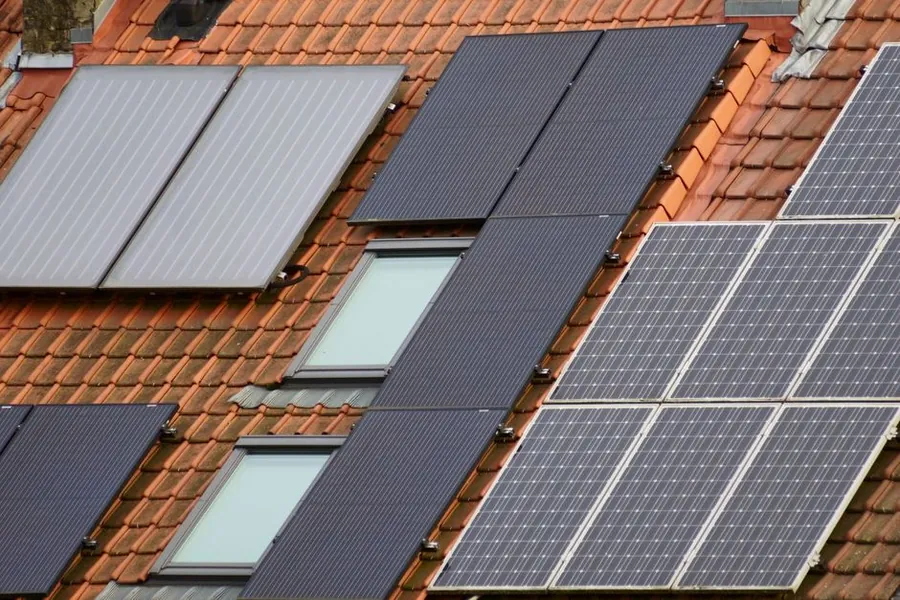
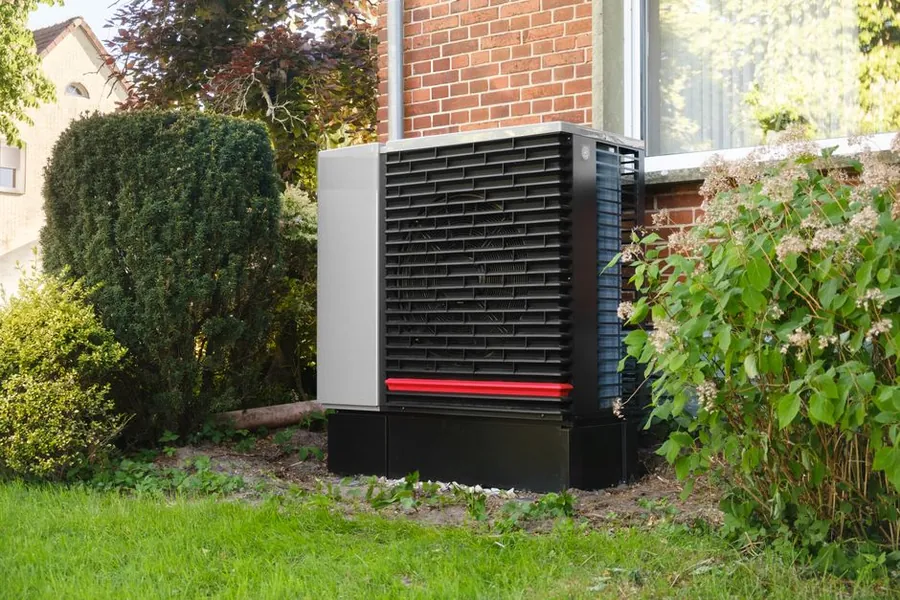
Thinking about solar panels or a heat pump?
An EPC shows where a property loses heat and what it costs to run — and the recommendations on it usually start with solar or a better heating system. If you are weighing either up, leave your details and we will be in touch about getting you a quote. Tick both if you want to compare them.
Your details come to our team, who will call you back about solar, a heat pump or both. We will not add you to a mailing list. See our privacy policy.
Find an EPC Assessor Near You
Nearest available assessors shown first
Popular searches: London Birmingham Manchester Bristol Leeds
How to find an EPC in Scotland by postcode
Checking an EPC on the Scottish EPC Register is free and takes less than a minute:
- Go to scottishepcregister.org.uk and select the start button.
- Choose whether you need a domestic (home) or non-domestic (commercial) certificate.
- Enter your postcode and search.
- Pick your address — each result shows the energy rating and expiry date.
- Open the certificate to view the full report, including recommendations and the potential rating.
A valid EPC remains valid for 10 years and is required when a property is sold or let. For a property in England, Wales or Northern Ireland, use the UK EPC Register instead.
What is the Scottish EPC Register?
The Scottish EPC Register — part of the Energy Performance of Buildings framework — is the official repository for all Energy Performance Certificates (EPCs), Display Energy Certificates (DECs) and Air Conditioning Inspection Reports for properties in Scotland. It is publicly accessible, so anyone can obtain detailed information about a property’s energy efficiency and environmental impact using either the address or the report reference number.
The register is an important tool for prospective homeowners, landlords and tenants in Scotland: it helps people make informed decisions about a building’s energy efficiency and encourages energy-saving improvements, supporting the country’s environmental goals.
Understanding Scotland’s EPC requirements
Scotland has its own rules for Energy Performance Certificates that property owners need to understand. A Scottish EPC gives an energy efficiency rating from A (most efficient) to G (least efficient), and includes a section on the property’s environmental impact from carbon dioxide emissions — particularly relevant in the Scottish context, where environmental conservation is a priority.
An EPC is required when selling or renting out a property in Scotland, and for a sale it must be included in the Home Report. Scottish EPCs also carry recommendations tailored to the local climate and construction styles, which can guide owners on how best to improve their building’s energy performance.
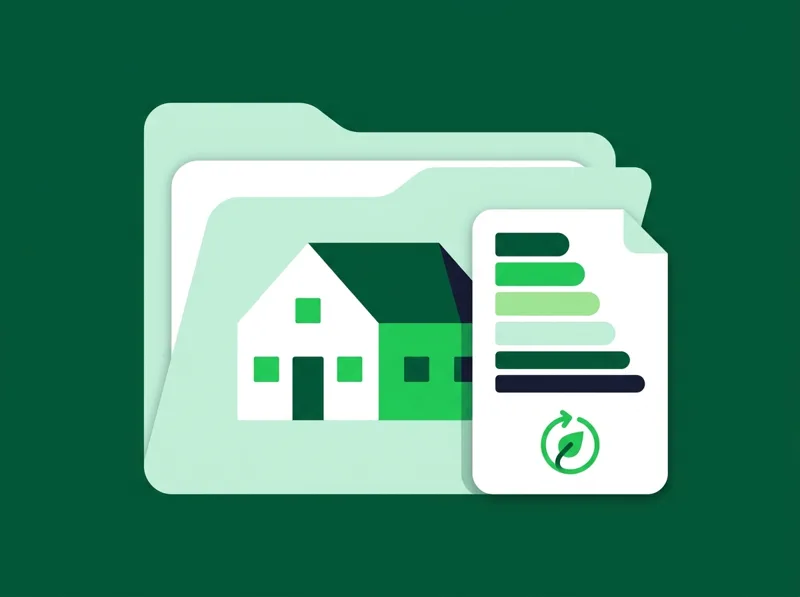
What a Scottish EPC includes
- Energy efficiency rating — the A–G band for the property.
- Estimated energy costs — typical costs for heating, hot water and lighting.
- Environmental impact — carbon dioxide emissions from the property.
- Recommendations — energy-saving measures suited to Scottish properties and climate, such as insulation or heating upgrades.
- Issue and expiry dates — so you can confirm the certificate is still valid.
Compliance and improvements for Scottish properties
Meeting Scotland’s EPC regulations is both a legal requirement and a step towards the country’s energy efficiency goals. Owners can use the certificate’s recommendations to make improvements that lead to real energy savings and lower bills, and the Scottish Government periodically offers schemes and grants to help with the cost of energy-efficient home upgrades — so it is worth staying informed about what support is available.
With buyers and tenants increasingly mindful of running costs, a better EPC rating also makes a property more attractive in a competitive market. See our tips on how to improve your EPC rating.
Why use EPC Near Me?
Finding a qualified EPC assessor can take real research. EPC Near Me gives you an easily accessible route to book or make an enquiry with a reliable domestic energy assessor operating in your local area:
- Find a local accredited assessor and see their price
- See a photo and profile of your EPC assessor online
- Contact your assessor directly — no middlemen
- Save hours searching for someone who covers your requirements
Need a new EPC in Scotland?
If your certificate has expired — or your property has never had one — a local accredited domestic energy assessor can usually issue a new Scottish EPC within a few days.
Find your local EPC assessorScottish EPC Register: frequently asked questions
What is the Scottish EPC Register?
The Scottish EPC Register is the official online resource where Energy Performance Certificates for Scottish properties are recorded and made accessible. It lets homeowners, buyers and tenants check the energy efficiency ratings of residential and commercial buildings across Scotland.
How can I access an EPC for a property in Scotland?
Visit the Scottish EPC Register at scottishepcregister.org.uk and enter the property’s address or unique report reference number. You can then view the EPC’s details, including its energy efficiency rating and recommendations for improvement.
Is an EPC mandatory for renting out a property in Scotland?
Yes. Landlords must have a valid EPC to rent out a property in Scotland. The certificate should be made available to prospective tenants at the earliest opportunity and provided before a rental agreement is entered into.
What does a Scottish EPC include?
A Scottish EPC includes the property’s energy efficiency rating, estimated energy costs and environmental impact in terms of carbon dioxide emissions. It also gives recommendations for energy-saving measures specific to Scottish properties, taking local climate and construction into account.
How often do I need to renew my property’s EPC?
An EPC in Scotland is valid for 10 years from the date of issue. If you plan to sell or rent out your property, make sure the certificate is still valid and renew it if necessary.
Can I improve my property’s EPC rating?
Yes. The certificate lists recommended measures — such as upgrading insulation or heating systems — that can improve efficiency. Once the work is done, a new EPC assessment can be carried out to update the property’s rating, reduce energy bills and lower its carbon footprint.