
The EPC Register: find or check an EPC rating
The Energy Performance of Buildings Register is the official, publicly accessible record of every Energy Performance Certificate (EPC), Display Energy Certificate (DEC) and Air Conditioning Inspection Report (ACIR) in the UK. You can check an EPC rating by postcode, look up a certificate by address or report reference number, and see its energy rating and expiry date in seconds.


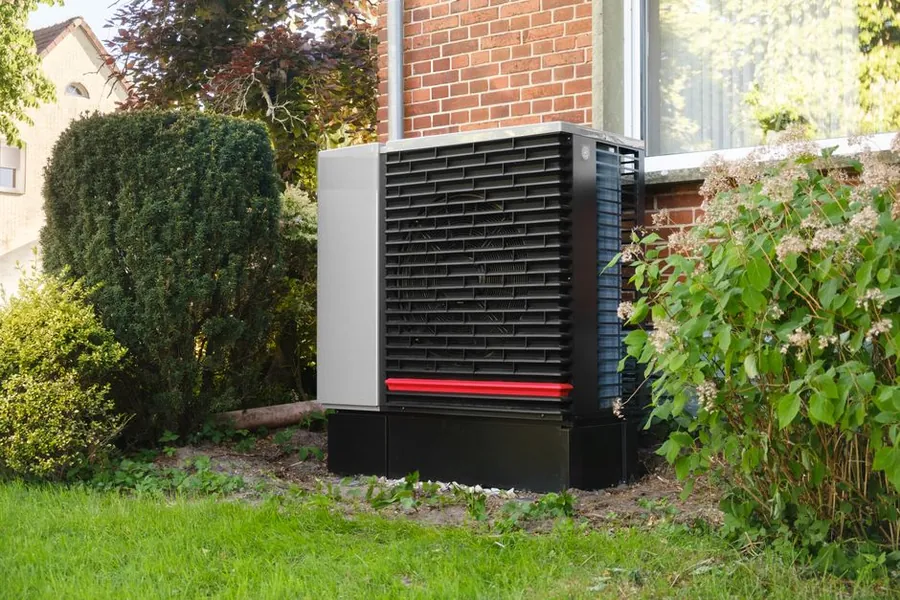
Thinking about solar panels or a heat pump?
An EPC shows where a property loses heat and what it costs to run — and the recommendations on it usually start with solar or a better heating system. If you are weighing either up, leave your details and we will be in touch about getting you a quote. Tick both if you want to compare them.
Your details come to our team, who will call you back about solar, a heat pump or both. We will not add you to a mailing list. See our privacy policy.
Find an EPC Assessor Near You
Nearest available assessors shown first
Popular searches: London Birmingham Manchester Bristol Leeds
What is the EPC Register?
The EPC Register — sometimes called the national EPC register or the Energy Performance of Buildings Register — records every energy-rated property in the country. A valid EPC is a legal requirement for properties being sold, rented or newly built, so the register is an essential tool for homeowners, landlords, buyers and tenants.
Each entry shows the property’s current energy efficiency rating from A (most efficient) to G (least efficient), the potential rating after energy-saving improvements, typical energy costs and tailored recommendations. A certificate is valid for 10 years from the date it is issued, and a valid EPC must be in place before a property is marketed for sale or rent.
How to check an EPC rating by postcode
Checking an EPC is free and takes less than a minute. To find an EPC on the official government register for England, Wales and Northern Ireland:
- Go to gov.uk/find-energy-certificate and select Start now.
- Choose whether you need a domestic (home) or non-domestic (commercial) certificate.
- Enter your postcode and select Find.
- Pick your address from the list — each result shows the energy rating and the certificate’s expiry date.
- Open the certificate to view the full report, including recommended improvements and the potential rating.
For a property in Scotland, use the Scottish EPC Register instead. Comparing your rating with nearby homes is a quick way to see how energy efficient your property is and where the easy wins are.

What information does an EPC show?
An Energy Performance Certificate gives you a clear picture of how a property performs and what it could achieve:
- Energy efficiency rating — the headline A–G band based on the building’s fabric, heating and lighting.
- Potential rating — the band the property could reach if the recommended measures were installed.
- Estimated energy costs — typical annual costs for heating, hot water and lighting.
- Recommendations — specific, costed improvements such as insulation, better heating controls or double glazing.
- Environmental impact — the property’s carbon dioxide emissions.
For tenants, the rating is a useful guide to likely energy bills. For landlords, it shows whether a property meets current Minimum Energy Efficiency Standards — see our guide to the EPC rules for landlords.
How to check if a property has a valid EPC
Enter the property’s postcode into the register’s search tool and open the matching address. The certificate clearly states the date it was issued and the date it expires. If no certificate appears, or the expiry date has passed, the property will need a new EPC before it can be sold or let.
Checking is worthwhile whether you are buying, selling, renting or letting: buyers and tenants can gauge running costs before they commit, and owners can confirm they are compliant and avoid delays further down the line.
The national EPC registers: England, Wales, Scotland & Northern Ireland
The UK is covered by three separate official registers. Use the right one for the property’s location:
England & Wales
Run by the UK government (previously Landmark). Search at gov.uk/find-energy-certificate.
Search nowScotland
Scotland has its own register, with EPCs forming part of the Home Report for sales.
Scottish registerNorthern Ireland
Northern Ireland uses a separate EPB register; guidance is on the nidirect website.
NI guidanceWhy keep your EPC up to date?
Legal compliance. In the UK it is a legal requirement to have a valid EPC when you sell or rent out a property. Marketing a home without one, or with an expired certificate, can lead to fines and hold up a sale or tenancy. Landlords also need to meet minimum rating rules — read our overview of the EPC requirements for landlords.
Property appeal and value. An up-to-date certificate with a strong rating makes a property more attractive to energy-conscious buyers and tenants, who increasingly factor running costs into their decision. Refreshing your EPC after making energy-efficiency improvements is the best way to show off a better band and lower bills.
Need a new EPC?
If your certificate has expired — or your property has never had one — a local accredited domestic energy assessor can usually issue a new EPC within a few days.
Find your local EPC assessorEPC Register: frequently asked questions
What is the UK EPC Register?
The UK EPC Register is the official online database where Energy Performance Certificates for properties in England, Wales and Northern Ireland are stored. It holds detailed information on each property’s energy efficiency and carbon dioxide emissions, so anyone can look up a home’s rating and recommendations. Scotland and Northern Ireland have their own equivalent registers.
How can I check if my property has a valid EPC?
Enter the property’s postcode into the register’s search tool at gov.uk/find-energy-certificate and open the matching address. The certificate shows whether an EPC exists and its expiry date. If it has passed, you will need a new EPC before selling or letting.
Is an EPC required for all properties in England and Wales?
With a few exceptions, yes. An EPC is required whenever a property is sold, rented out or newly built. Some buildings — such as certain listed buildings, places of worship and temporary structures — may be exempt.
How long is an EPC valid for?
An EPC is valid for 10 years from the date of issue. You must have a valid certificate in place before marketing a property for sale or rent, even if the last one was produced within the past decade.
What information does an EPC provide?
An EPC gives a property an energy efficiency rating from A (most efficient) to G (least efficient), along with estimated energy costs, its environmental impact and a list of recommended improvements to cut energy use and save money.
Can I improve my property’s EPC rating, and how?
Yes. Follow the measures recommended on the certificate — for example adding insulation, upgrading the heating system or fitting double glazing. Once the work is done, a new EPC assessment can be carried out to reflect the improved rating. See our guide on how to improve your EPC rating.